
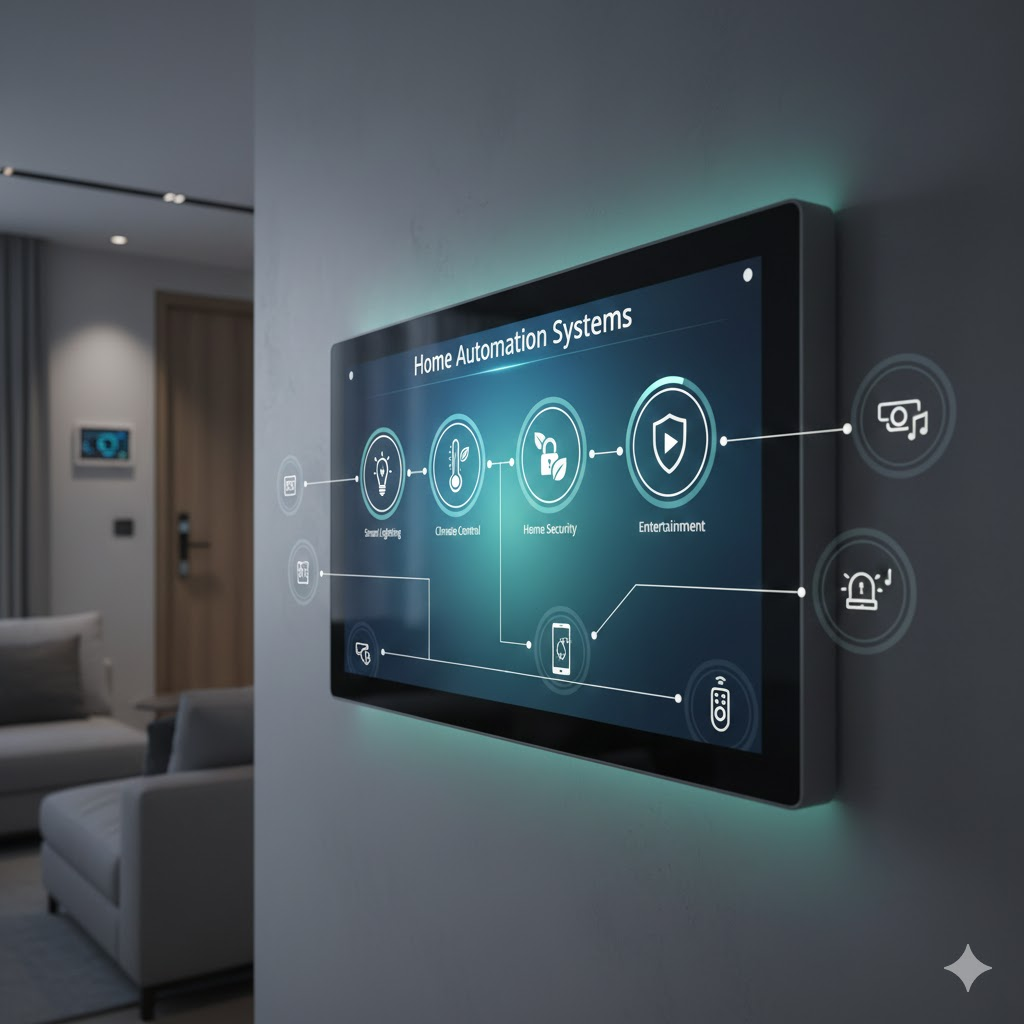
What Are Home Automation Systems? 5 Steps to a Smarter Home!
Home automation systems have gained popularity in the current world of a hectic lifestyle whereby the owner of the house is able to control most devices and systems using a single hub. Can you just think of controlling your thermostat, turning off the lights and even locking your door, right at the comfort of your smart phone. This is a complete tutorial on the fundamentals of home automation systems, including how to set up the system, the advantages, and the best technological add-ons to improve your home office.
Home Automation Understanding
Home automation, sometimes known as smart home technology, refers to a range of devices and systems, which are connected to the internet, giving you control and monitoring of them even when you are not at home. This technology is not only more convenient, the technology is also more efficient in terms of energy and security.
Benefits of Home Automation
Comfort: Automation of daily routines implies that you have control over your home making a simple voice order or a button press on your smartphone.
- Energy efficiency: Intelligent lighting systems and thermostats contribute to the saving of energy, which results in a decrease in utility bills.
- Greater Security: Home automation will enable you to monitor your property in real-time and you will have a peace of mind even when you are out.
Home Automation, an Introduction
When it comes to installation it is important to know what you need and what kind of systems there are out there. Here’s how to get started:
Identify Your Needs
Think about what you would like to automate in your house. Common areas include:
- Lighting: Smart lights and switches could be remotely controlled.
- Thermostats: Smart thermostats are thermostats that learn your preferences and automatically adjust the temperatures.
- Security: You can have cameras, smart locks, and alarms to increase the security of your house.
- Entertainment Systems: Automate your audio and video systems to a fast and smooth experience.
Choose a Hub
The brain of your home automation system is a central hub. It integrates all your devices and enables you to manage them using one interface. Popular options include:
- Amazon Echo: Compatible with multiple devices and Alexa-enabled devices.
- Google Nest Hub: This product is compatible with Google Assistant and other smart home gadgets.
- Samsung SmartThings Hub: This device is compatible with a broad scope of third party devices.
Installation Process
Home automation installation can be a complicated process, yet, through suitable guidance, it could be an easy one. Here’s a step-by-step guide:
1. Plan Your Layout
Planning the position of each device before installation takes a bit of time. Take into account Wi-Fi coverage, availability and utilization of every room.
2. Install the Hub
After selecting a hub, proceed and install it as per the directions of a manufacturer. Generally, this involves:
- Connection to Wi-Fi: Be sure that your hub is linked to your network at home.
- Downloading the App: The majority of hubs have a corresponding App that is easy to control.
3. Add Devices
Having configured the hub, begin to add devices one at a time:
- Smart Lights: Use smart bulbs instead of traditional bulbs or use smart switches. Installation guide: The installation guide often involves replacing the bulb or switch and connecting it with the hub through the app.
- Smart Thermostat: It involves taking out your older thermostat, joining the wires with the new thermostat, and using the instructions on the app to install the thermostat.
- Security Devices: Have cameras installed at strategic locations in your home, and make sure that they are within the Wi-Fi achieving distance.
4. Configure Settings
After installing all the devices, go into their settings via the app of the hub. You are able to put timetables, build automation patterns (such as lights when it gets dark), and modify preferences according to the way of life.
5. Test Your System
Once it has been installed, run a comprehensive test of your system. Test devices in accordance with their commands and make sure that automation routines are functioning as expected.
How To Automate Your Home Office
Home automation can be added to your office to make it productive and comfortable. These are the best pieces of technology that can be used as accessories in the ultimate home office:
Smart Lighting
Smart lighting can be adjusted to either a work or rest atmosphere. Smart bulbs that can adjust color intensity depending on time of the day or your needs should be used.
Smart Speakers
Intelligent speakers such as Amazon Echo or Google Nest can even play music, reminders, as well as control your smart gadgets all using voice commands.
Automated Blinds
Smart blinds can be a good option, where you can open and close them depending on the time of the day, and you will have control over the level of natural light in your workplace.
Smart Plugs
Smart plugs enable you to control any appliance you have in them so that you can turn a normal appliance into a smart appliance. Use a coffee maker to program a time to start the process before you get up, or use a device remotely by switching it off.
Keeping Your Home Automation System
Home automation systems are maintained regularly to ensure a system is running smoothly. Here are a few tips:
- This is to keep your software up to date: your devices periodically update their firmwares in their respective apps.
- Check Up the Performance of the Monitors: Just monitor the responsiveness of your devices and fix any problem in time.
- Protect Your Network: Make sure that your Wi-Fi at home is secure to ensure that your devices are not attacked by others.
Conclusion
There is no higher convenience, efficiency and security than home automation systems. With a sense of what you need and a step-by-step installation procedure, you will be able to convert your home into a smart home. The correct tech accessories can all be the difference whether you are upgrading your home office or upgrading your whole house. Live the future where the home automation system is well implemented and your lifestyle is taken care of.
(FAQs)
1. What is home automation?
Home automation is the state of using technology in controlling different devices and systems within your house remotely. This incorporates lighting, temperature, security and entertainment systems.
2. Which is the appropriate hub to use with my home automation system?
Evaluate compatibility with your devices, usability and the variety of features available. The widely used platforms are Amazon Echo, Google Nest Hub, and Samsung SmartThings.
3. Is it possible to install home automation by myself?
Yes, the majority of the home automation systems are easy to install. Read the instructions of each device made by the manufacturer, and do not be afraid to ask questions.
4. What are some of the advantages of smart lighting?
Smart lighting has the benefits of convenience, energy saving and creation of custom lighting environments that can be used to improve your mood and productivity.
5. What is the maintenance of my home automation system?
To make sure that your home automation system can run without any issues, make sure to update the devices on a regular basis, analyze their performance, and keep your home network safe.