
Cost Benefits Of Implementing Hospital Digital Signage In Modern Clinics
Modern clinics are evolving fast. Technology is now an essential part of patient care and hospital management. One tool that has gained attention is hospital digital signage. This system uses screens to share real-time information with patients, staff, and visitors. Beyond aesthetics, it offers practical benefits, from communication to operational efficiency. Implementing digital signage is more than a visual upgrade—it’s a strategic investment for clinics seeking smoother operations and better patient experiences.
Streamlined Patient Communication With Hospital Digital Signage
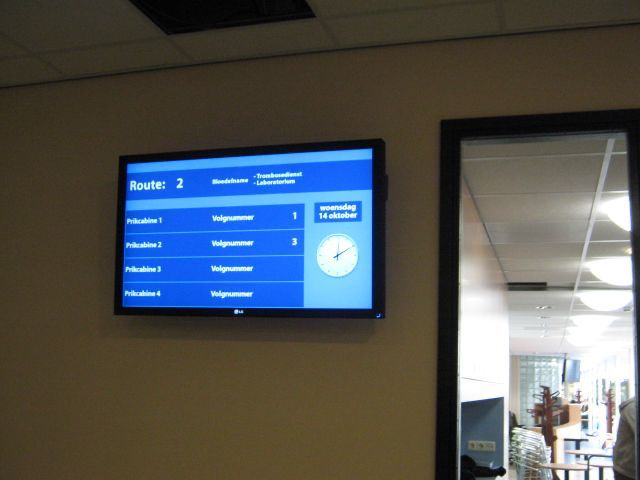
Hospital digital signage helps clinics communicate with patients instantly. Schedules, waiting times, and health tips can be displayed clearly on screens. Patients don’t have to wait for staff to provide updates. The visual cues reduce confusion and stress. Clinics see fewer complaints about delays or missed appointments. Staff can focus on care instead of constantly repeating information. In the end, hospital digital signage improves both efficiency and patient satisfaction.
Enhanced Staff Coordination And Workflow
Hospitals run on precise timing and teamwork. Digital signage allows staff to see updates on patient locations, room changes, or emergency alerts in real time. This reduces errors and boosts productivity. When information is shared quickly, workflows become smoother. Staff spend less time tracking down colleagues or checking printed notices. The visibility that hospital digital signage provides creates a more organized and responsive clinical environment.
Cost Reduction Through Efficient Resource Management
Implementing hospital digital signage reduces the reliance on printed materials. Brochures, posters, and handouts become less necessary. This leads to lower printing costs and less waste. Clinics also save money on administrative hours that would otherwise be spent manually communicating updates. Digital displays can be updated remotely, instantly reaching every department. Over time, the savings accumulate, making hospital digital signage a cost-effective solution for modern clinics.
Improved Patient Engagement And Experience
Patients are more likely to notice messages on dynamic digital displays than on static signs. Hospital digital signage can show educational videos, preventive care tips, or facility navigation guides. Engaged patients feel more informed and cared for, which can enhance their trust in the clinic. Positive experiences translate into higher satisfaction scores and repeat visits. By investing in hospital digital signage, clinics don’t just inform—they create a welcoming and professional atmosphere.
Branding And Reputation Boost
Digital signage offers opportunities to highlight the clinic’s services and achievements. Displays can showcase success stories, accreditations, or upcoming health events. This continuous exposure strengthens the clinic’s brand in the eyes of patients and visitors. Modern visuals signal a forward-thinking facility. Clinics that adopt hospital digital signage often find it easier to attract new patients and retain loyal ones, benefiting both reputation and revenue.
Data Analytics And Decision Making
Many hospital digital signage systems can track content interactions and display trends. Administrators can see which messages attract attention and which are ignored. This data helps optimize communication strategies and improve resource allocation. Decisions backed by real-time insights are more effective than guesswork. Clinics gain a competitive edge by understanding patient behavior and refining their processes continuously.
Conclusion
Hospital digital signage is no longer a luxury—it’s a smart investment for modern clinics. From improving communication and staff efficiency to reducing costs and enhancing patient engagement, the benefits are tangible. Digital displays help clinics run smoothly while creating a more professional and welcoming environment. By implementing hospital digital signage, healthcare facilities can save money, boost patient satisfaction, and stay ahead in a competitive landscape.