
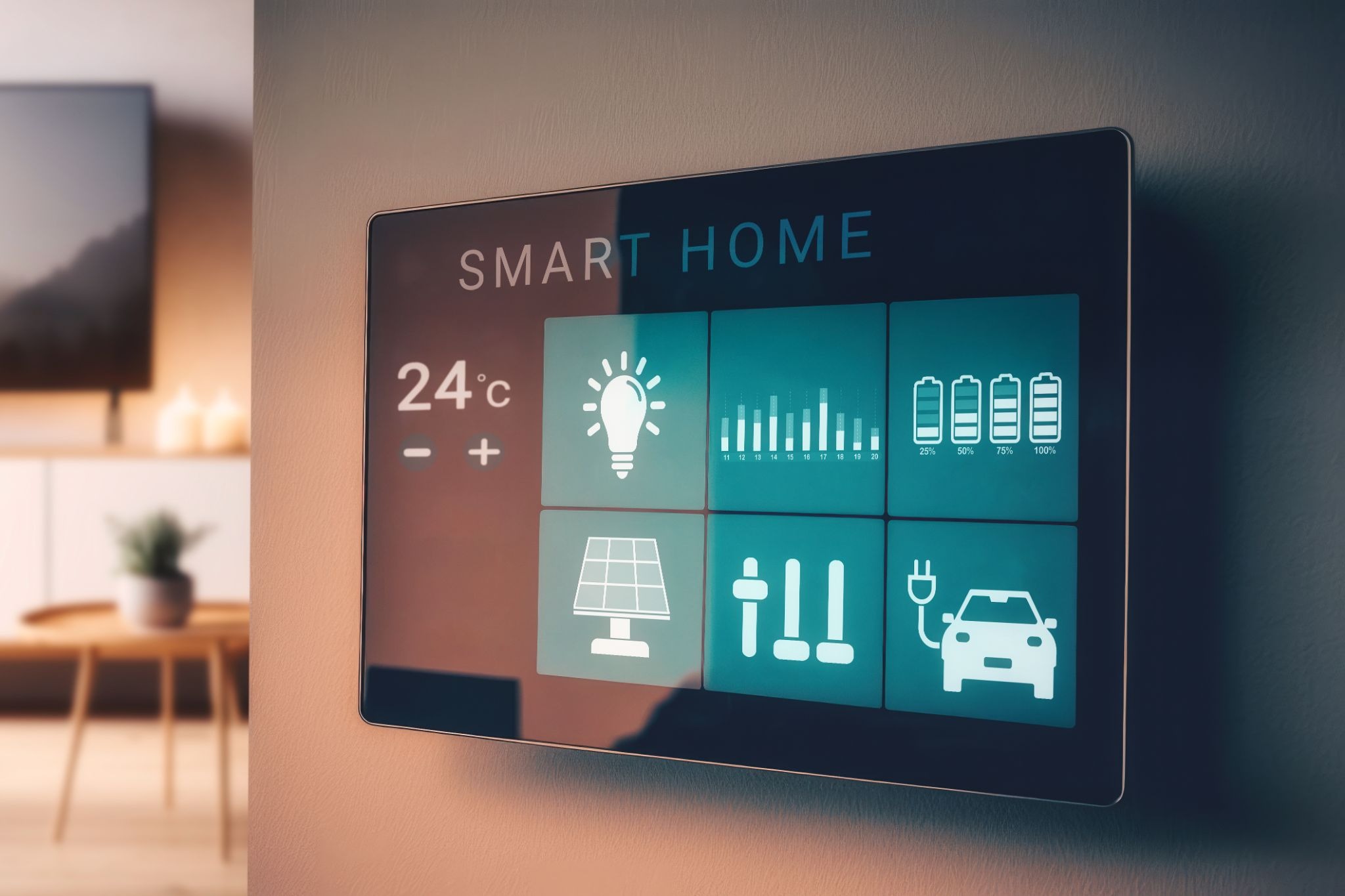
5 Smart Home Devices Transforming Lives Effortlessly?
Smart home automation devices, at their most basic definition, are regular household products, such as Lights, plugs, locks, cameras, speakers, etc., and augmented with sensors, connection and automation. They communicate with one another and with you, typically using Wi-Fi, Bluetooth, or smart home interoperability such as Matter, to just get things done in the background.
Here we will discuss the functionality of these devices in a real house, what to focus on, and how to prevent some typical errors, referring to real-life examples and current knowledge.
The Reason Smart Home Devices are More Important Than Ever
Smart technology was a new thing. It is now turning into infrastructure. A recent market study showed that over fifty percent of internet-enabled households in developed nations possess at least one smart home device and this number has continued to increase as prices go downward and reliability goes up.
However, it is not about gadgets that matter the most, but about their results:
- Lower energy bills
- Greater security and tranquillity.
- More comfort and accessibility by children, elderly and persons with disabilities.
- Time saved in boring and repetitive tasks.
The starter set of the Modern Smart Home
When individuals enter the automation field initially, they usually begin with glitzy equipment and get lost. It would be more prudent to develop around a small number of necessities that give the best payoff.
1. Smart lights: little adjustment, huge effect
Imagine that you are going into your hallway at night and your lights are switched off softly, you do not need any switches. Or the lights in the house coming off at the same time at midnight.
The simplest and least expensive smart home devices often consist of smart bulbs and switches. The reduction in lighting energy consumption achieved by many households with the use of motion sensors, schedules and dimming alone is 20-30%.
2. Smart thermostats: savings and comfort
The largest utility bill expense is heating and cooling. Studies on energy have demonstrated that smart thermostats may save up to 8-15 percent of heating/cooling expenses based on climate and behavior.
These smart home devices identify your routine, know when the house is not occupied, and change the temperature in each room in case you have smart vents or zoning. You do not have to fiddle with the thermostat every minute when you can set up the ranges of comfort and even allow the system to do the work.
3. Smart plugs: turn outdated equipment new
Not willing to have half your house to replace? Smart plugs are the adapter and make ordinary lamps, fans, even coffee makers connected to each other.
You can:
- Automatically shut down power hungry appliances at night.
- Set a lamp to appear like there is someone around.
- Electronics which consume power during standby are cut off.
It is among the most affordable means to experiment on what smart home devices can accomplish in your lifestyle.
Maintaining Security and Peace of Mind: It is More than Cameras
One of the biggest sources of smart home adoption is home security. However, security is not only about video recording, but about prevention and creating awareness.
IQ cameras and video doorbells
A strategically placed video doorbell will enable you to see who is at the door, speak to couriers and receive notifications on suspicious activity. Most homeowners claim to be catching package stealing activities on camera- or stopping them all together since would-be robbers are aware of the cameras they are under.
Smart locks and sensors
Smart locks allow you to:
- Assign visitors, housekeepers or dog walkers temporary codes.
- Who opened the door and when.
- Auto shut off lock doors at night or when they are not there.
Combine this with window and door sensors and your smart home devices will be able to send instant alerts in case your door opens when you are not home or even turn on the lights and sirens.
A security consultant who I interviewed also observed that a simpler way to prevent break-ins is adding visible cameras and automated outdoor lighting, rather than costly alarm systems, and in combination with reasonable habits.
The Voice Assistants and Hubs: The Brain of the System
The key control center is a smart speaker or display that is used in most homes. You like Alexa, Google Assistant, or Siri: the point is the same: speak, use your phone, or a wall tablet instead of dozens of individual applications.
The newer hubs are also compatible with Matter, a standard developed by large tech firms to ensure that smart home devices are better compatible. It is possible to have a light of one brand, a thermostat of a different one, and a lock of the third one and communicate within the same ecosystem.
The practical benefit? Less compatibility headache, and routines such as:
- Good night switches off lights, shuts the doors and turns the thermostat.
- Its home will render cameras useless, play your playlist of choice, and illuminate the way to the kitchen.
Automation That Prompts to Be Human
A smart home does not necessarily mean the home that is full of machines; it is the home that enables you to go about your business without making noise. Good automation must not be a science project.
Begin with those tense times in your day:
- Do you find yourself in bed most of the time wondering whether you left the front door open or not?
- Do your children leave the lights on everywhere?
- Do you come home late and enter your house in the dark?
Design then simple automations about them. For instance:
- Automatically lock out all exterior doors at 11 p.m.
- Switch off all the lights in the bedroom when all are out to school or work.
- Activation of lights on the porch and corridors at night after the sun sets when body movement is detected.
These are short videos demonstrating how smart home devices take care of you behind your back.
Information, Security, and Selecting the appropriate ecosystem
Connectivity comes with a lot of responsibility. Consider data and privacy before attaching dozens of connected devices.
Check:
- What personal information does the brand obtain and is it possible to restrict it?
- Is the device capable of local storage of cameras in addition to cloud only?
- Do security updates occur on a regular basis?
A good portion of privacy-conscious homeowners are inclined to the ecosystems and brands that are characterized by efficient encryption, clear privacy policies, and local processing wherever possible. It is also prudent to place smart home platforms in a separate Wi-Fi network (a guest network or IoT network) to provide an additional layer of security.
Worth using Smart Home Devices? A Balanced View
All the devices are not worth the buzz. There are gadgets that are unnecessary. One of the rules: an automation that does not help to save time, energy, or worry is unlikely to be worth keeping up.
Notwithstanding, smart home automation gadgets can:
- Cut monthly energy use
- Enhance domestic security and vigilance.
- Helping the elderly or physically challenged.
- Simplify and ease daily activities.
You have to keep small, concentrate on what is really wrong with you and then you can build up to enjoy the fruits. Your smart home must change according to your life and not vice versa.
Frequently asked questions concerning smart home devices
Q1: Do smart home devices have complicated installation?
The majority of smart home products are made to be installed by the user with step-by-step applications. Simple equipment such as bulbs, plugs, and speakers normally consume a few minutes. More complicated gadgets, like thermostats and wired cameras, can need a professional in case you do not feel comfortable with wiring.
Q2: Are smart home devices energy-consuming in regard to internet data?
Easy gadgets such as plugs and bulbs do not consume a lot of data. Doorbells and video cameras consume more particularly when they are cloud-recorded. To prevent slowing, look into a powerful router, decent Wi-Fi range, and create recording zones or schedules such that cameras will only upload what is important.
Q3: Does smart home automation mean renters can be used also?
Yes. Renters will be able to pay attention to plug-in and wireless products: intelligent bulbs, plugs, portable cameras and speakers. These can even go with you when you change houses. All you need to do is not to hard-wire anything without the permission of your landlord, and to revert any devices to their factory settings before you leave.

